Top Metal Items on Farms That Are Worth Recycling
Farms may be known for crops, livestock, and wide-open fields, but behind the daily operations lies a constant flow of metal equipment, tools, and materials that eventually wear out or become obsolete. Instead of letting these items rust away in a shed or field corner, farmers can turn them into cash while supporting environmental sustainability through metal recycling.
From old tractors to piles of wire, farms are treasure troves of high-value scrap metals like steel, aluminum, copper, and brass. Knowing which items bring the best return can help farmers clean up, reclaim space, and put extra money back into their operations.
Below are the top metal items commonly found on farms that are worth recycling and how each contributes to profitability.
1. Old Farm Machinery & Tractors
Nothing accumulates on farms quite like old machinery. Tractors, plows, combines, balers, and cultivators often end their life parked in a barn or fence line.
Why It’s Valuable
- Heavy machinery is loaded with high-quality steel, aluminum, and sometimes copper wiring.
- Even non-running equipment can be worth hundreds due to weight alone.
Examples
- Retired tractors
- Out-of-service combines
- Worn-out balers and mowers
Many scrap metal yards will even arrange pickup services for larger items.
2. Metal Fencing (T-Posts, Gates & Panels)
Fencing is essential on farms, but it also gets damaged regularly due to weather, livestock, and old age.
Why It’s Valuable
- Metal fences typically contain steel, one of the most recycled metals in the world.
- Large volumes add up fast, especially T-posts and cattle panels.
Common Recyclables
- T-posts
- Woven-wire fencing with steel strands
- Metal livestock gates and corral panels
Properly bundled fencing is easy to transport and accepted by most scrap facilities.
3. Barn Roofing & Corrugated Metal Sheets
Old barns and sheds are frequently renovated or torn down, leaving behind piles of corrugated roofing.
Why It’s Valuable
- Usually made from galvanized steel or aluminum, both of which hold consistent scrap demand.
- Even older, rusted sheets are accepted.
Bonus: Aluminum roofing often pays out more per pound than steel.
4. Irrigation Pipes & Well Components
Irrigation systems wear out or get replaced as farms upgrade technology. The leftover pipes and fittings are excellent scrap material.
Why It’s Valuable
- Aluminum irrigation pipes are lightweight but still high in value.
- Pumps and well motors often contain copper coils, brass fittings, and steel housings.
Scrap Examples
- Aluminum pivot pipes
- Brass valves and connectors
- Steel well casings
These mixed metals may need sorting, but the payout is worth it.
5. Electrical Wire & Copper Wiring
Farms use extensive wiring for barns, lighting, pumps, and machinery, and when these systems are upgraded, they leave behind high-value scrap.
Why It’s Valuable
- Copper is one of the most valuable metals in the scrap industry.
- Stripped copper wire pays even more than insulated wire.
Typical Sources
- Old electrical systems
- Motors
- Burned-out power cords
- Extension cords
Even small quantities of copper add up quickly at scrap yards.
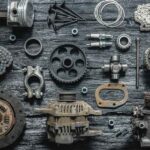
6. Old Tools, Metal Parts & Hardware
Farmers accumulate broken or outdated tools over decades. Instead of discarding them, they can be recycled.
Why It’s Valuable
- Tools are made from tool steel, a durable alloy with solid scrap value.
- Nuts, bolts, brackets, and steel parts can be collected in bulk for payout.
Recyclable Items
- Shovels, rakes, wrenches, hoes
- Steel buckets and pails
- Machinery parts and brackets
A 55-gallon barrel of mixed metal scrap can fetch a surprisingly good return.
7. Scrap Vehicles & Equipment Trailers
Farms often become final resting places for old pickup trucks, ATVs, and trailers that no longer run.
Why It’s Valuable
- Vehicles contain steel, aluminum, copper, brass, and sometimes even catalytic converters with precious metals.
- Trailers often contain large amounts of heavy-grade steel.
Examples
- Abandoned farm pickups
- Rusted hay trailers
- Broken flatbeds or utility trailers
Vehicles typically provide one of the highest overall scrap returns due to weight and mixed metals.
Tips for Maximizing Scrap Value on the Farm
- Sort metals by type – Copper, brass, steel, and aluminum each have different payout rates, so separating them increases earnings.
- Remove non-metal components – Materials like rubber, plastic, wood, or fabric attached to metal can reduce scrap value and may be rejected by yards.
- Cut large items down (when safe) – Breaking oversized equipment into smaller pieces makes transport easier and may reduce processing fees.
- Call ahead to your scrap yard – Always confirm accepted materials, current prices, and whether pickup services are available.
- Keep a designated scrap collection area – A clean, organized space helps prevent clutter and makes gathering and transporting scrap more efficient.
Why Farm Metal Recycling Matters
Recycling farm metal isn’t just about cleaning up your property, it provides long-term benefits:
- Extra income during slow seasons
- Reduced environmental footprint
- Lower disposal costs
- Safer, cleaner farmyards
Farmers are natural experts in resourcefulness and sustainability. Recycling scrap metal is just another way to make operations more efficient while recovering hidden value across the property.