How Are Mixed Metals Recycled
Recycling mixed metals plays a crucial role in Australia’s environmental sustainability and resource management. From construction sites to household scrap, various metals like steel, aluminium, copper, and brass often arrive in a mixed state. Recycling these metals not only conserves natural resources but also reduces energy consumption and greenhouse gas emissions. Understanding the recycling process can help businesses and homeowners make informed decisions when disposing of scrap metal.
What Are Mixed Metals
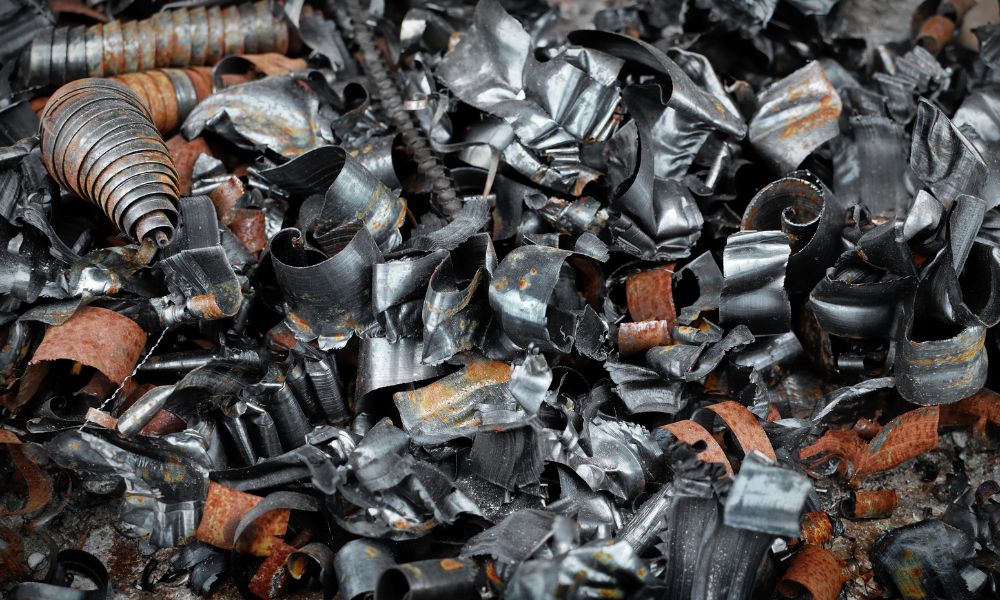
Mixed metals refer to scrap containing two or more types of metals that are often combined in products, machinery, or construction materials.
- Examples of Mixed Metals: Steel mixed with aluminium, copper wires with brass fittings, or electronic components with several metal alloys.
- Sources: Construction debris, automotive parts, appliances, industrial machinery, and household electronics.
- Challenges: Mixed metals require careful sorting and processing because different metals have different melting points and recycling requirements.
- Value: Despite being mixed, these metals are highly valuable when recycled properly, providing raw materials for new products.
By understanding the types and sources of mixed metals, recyclers can develop efficient strategies to separate and process them.
Collection and Sorting
The recycling journey begins with collection and sorting, which is essential for efficiency and quality control.
- Collection: Mixed metals are gathered from industrial, commercial, and residential sources, including construction sites, old appliances, and vehicles.
- Initial Sorting: Large items are inspected to remove non-metal materials such as plastics, wood, or glass that may interfere with the recycling process.
- Magnetic Separation: Ferrous metals like steel and iron are separated using powerful magnets, leaving non-ferrous metals such as aluminium, copper, and brass for further processing.
- Manual Sorting: Skilled workers often manually separate metals that cannot be distinguished magnetically or mechanically to ensure purity.
Sorting ensures that metals can be efficiently processed and recycled without contamination, which increases the value of the recovered materials.
Shredding and Size Reduction
Once sorted, metals undergo shredding or size reduction to prepare them for melting.
- Industrial Shredders: Large machines break down bulky scrap into smaller, manageable pieces suitable for furnaces.
- Advantages of Shredding: Smaller metal pieces melt faster and more evenly, reducing energy consumption and processing time.
- Safety Measures: Dust, sparks, and fragments are controlled with protective measures to ensure the safety of workers and surrounding areas.
- Preparation for Separation: Shredded metals are easier to separate further, especially if metals are still mixed in composite pieces.
Shredding is a critical step that maximises efficiency and minimises waste during the recycling process.
Separation of Metals
Proper separation is crucial to ensure that each metal type can be recycled effectively.
- Eddy Current Separation: Non-ferrous metals like aluminium and copper are separated using eddy currents, which repel metals from conveyor belts.
- Density Separation: Some recyclers use water tanks or air jets to separate metals based on density, with heavier metals like copper sinking and lighter metals like aluminium floating.
- Advanced Techniques: X-ray and sensor-based sorting systems are increasingly used in modern recycling facilities for precise separation of alloys.
- Quality Assurance: Accurate separation ensures that recycled metals maintain high quality for manufacturing new products.
Effective separation ensures that metals can re-enter the supply chain efficiently, reducing the need for virgin resources.
Melting and Refining
After separation, metals are melted and refined to prepare them for reuse.
- Melting Furnaces: Each type of metal is melted in specialised furnaces at its specific melting temperature.
- Purification: Impurities are removed through chemical or physical processes to ensure high-quality metal suitable for manufacturing.
- Casting: The purified metal is cast into ingots, sheets, or other forms that can be used by manufacturers to produce new products.
- Energy Efficiency: Recycling metals uses significantly less energy compared to producing metals from raw ores, lowering carbon emissions.
This stage transforms scrap metals into valuable raw materials for industries across Australia, from construction to automotive manufacturing.
Environmental and Economic Benefits
Recycling mixed metals has both environmental and economic advantages.
- Resource Conservation: Recycled metals reduce the need for mining and extraction of raw ores, conserving natural resources.
- Energy Savings: Producing metals from recycled scrap requires far less energy than producing from virgin materials.
- Pollution Reduction: Recycling reduces landfill waste and decreases greenhouse gas emissions associated with metal production.
- Economic Value: Recycled metals can be sold to manufacturers, generating income for businesses and supporting the recycling industry.
Recycling mixed metals not only helps the environment but also provides economic opportunities for communities and businesses alike.
Final Thoughts
Recycling mixed metals involves careful collection, sorting, shredding, separation, and refining to ensure materials are reused efficiently and safely. By understanding the recycling process, businesses and homeowners can make better decisions for disposing of scrap metals while supporting environmental sustainability.
If you have mixed metal scrap or construction waste, contact our licensed metal collection service in Sydney today. Proper recycling not only ensures materials are safely reused but also reduces environmental impact and maximises value.