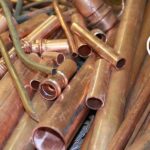
Why Is Scrap Copper Worth So Much? An In-Depth Look at Its Value
Copper has long been recognised as one of the most valuable scrap metals, commanding impressive prices at recycling centers worldwide. But what exactly makes copper so sought after in the scrap metal industry? This comprehensive guide delves into the factors that contribute to the high value of scrap copper, its applications, and the economic and environmental benefits of recycling this metal.
7 Why Copper Is The King Of Scrap Metal
Copper is often considered the most valuable and sought-after metal in the scrap industry. Its unique properties and consistent demand make it a top choice for recyclers and businesses alike.
1. Exceptional Physical Properties
Copper’s unique combination of physical properties makes it indispensable across various industries:
- High Electrical and Thermal Conductivity: Copper is renowned for its excellent ability to conduct electricity and heat, making it the preferred choice for electrical wiring and heat exchangers.
- Corrosion Resistance: Unlike many metals, copper resists corrosion, which extends the lifespan of products made from it, such as plumbing pipes and roofing materials.
- Malleability and Ductility: Copper can be easily shaped and stretched without breaking, facilitating its use in a wide range of applications.
These attributes ensure that copper remains in constant demand, directly influencing its value in the scrap market.
2. Widespread Industrial Applications
Copper’s versatility is evident in its extensive use across multiple sectors:
- Electrical Wiring: Due to its superior conductivity, copper is the material of choice for electrical wiring in residential, commercial, and industrial buildings.
- Plumbing: Copper pipes are favored for their durability and resistance to corrosion, making them ideal for water supply systems.
- Electronics Manufacturing: Components such as circuit boards and connectors often utilise copper for its conductive properties.
- Renewable Energy Systems: Copper plays a crucial role in renewable energy technologies, including solar panels and wind turbines, due to its efficiency in energy transfer.
The continuous demand from these industries ensures a steady market for scrap copper, maintaining its high value.
3. Economic Factors Influencing Copper Prices
Several economic elements contribute to the fluctuating prices of copper:
- Global Supply and Demand: The balance between copper production and consumption significantly impacts its price. Shortages in supply or surges in demand can lead to price increases.
- Market Speculation: Investors and traders in commodity markets can influence copper prices through speculative activities.
- Currency Fluctuations: As copper is traded globally, changes in currency values, especially the U.S. dollar, can affect its price.
Understanding these factors can help stakeholders anticipate price movements and make informed decisions in the scrap copper market.
4. Environmental & Energy Efficiency of Recycling
Recycling copper offers substantial environmental and energy benefits:
- Energy Savings: Recycling copper uses significantly less energy compared to extracting and processing new copper from ore, leading to reduced greenhouse gas emissions.
- Resource Conservation: Recycling conserves natural resources by reducing the need for mining, which can have detrimental environmental impacts.
- Sustainability: Copper can be recycled indefinitely without loss of quality, supporting sustainable practices in various industries.
These environmental advantages make copper recycling an attractive option for both businesses and consumers.
5. Recycling Process and Value Determination
The process of recycling scrap copper involves several stages:
- Collection and Sorting: Scrap copper is collected from various sources and sorted based on its grade and purity.
- Cleaning and Preparation: Contaminants such as insulation, paint, or other metals are removed to enhance the quality of the copper.
- Melting and Refining: The cleaned copper is melted and refined to remove any remaining impurities, resulting in high-purity copper suitable for reuse.
The value of scrap copper is determined by factors such as:
- Purity Level: Higher purity copper commands higher prices.
- Condition: Clean, well-maintained copper is more valuable than corroded or contaminated material.
- Market Prices: Current market conditions and copper prices influence the value of scrap copper.
6. Global Demand and Market Trends
The global demand for copper continues to rise, driven by:
- Urbanisation: Growing urban populations increase the need for infrastructure, boosting copper demand for wiring, plumbing, and construction materials.
- Technological Advancements: Innovations in electronics, renewable energy, and electric vehicles require substantial amounts of copper.
- Economic Growth: Expanding economies, particularly in developing countries, lead to increased consumption of copper for industrial and infrastructural development.
These trends suggest that the demand for copper will remain robust, supporting its high value in the scrap metal market.
7. Challenges & Considerations in Copper Recycling
While recycling copper is beneficial, several challenges exist:
- Contamination: Scrap copper can be contaminated with other materials, affecting its quality and value.
- Collection Logistics: Efficient collection and transportation of scrap copper can be complex and costly.
- Market Volatility: Fluctuating copper prices can impact the profitability of recycling operations.
Addressing these challenges requires coordinated efforts between governments, industries, and recycling facilities to streamline processes and ensure the sustainable management of copper resources.
Conclusion
Scrap copper’s high value is a result of its exceptional physical properties, widespread industrial applications, economic factors, environmental benefits, and global demand. Recycling copper not only supports sustainable practices but also offers economic advantages by conserving resources and reducing energy consumption. As industries continue to evolve and demand for copper persists, its status as a valuable commodity in the scrap metal market is likely to remain steadfast.
For those looking to capitalise on the value of scrap copper, understanding these factors can aid in maximising returns and contributing to a more sustainable future.