

If you’re looking to make money by recycling scrap metal, it’s essential to know which metals will get you the best payout. Scrapyards buy various types of scrap metals, but some are far more valuable than others. Understanding what scrapyards value the most can help you maximize your profits, whether you’re cleaning out your garage, renovating, or simply trying to recycle.
In this blog, we will explore which metals pay the most at scrapyards, along with the factors that influence pricing, so you can make the most out of your scrap metal.
Scrap metal recycling can be a profitable venture, but knowing which metals to collect and sell is key to maximizing your return. While scrapyards accept a variety of metals, some are worth far more than others. Let’s dive into the top 5 metals that typically pay the most, and what makes them so valuable.
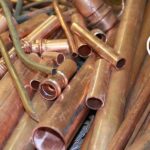
Copper is widely regarded as the most valuable metal when it comes to scrap. Not only is it highly sought after due to its excellent electrical conductivity, but it is also a staple in the construction, plumbing, and electrical industries. Because of its demand in these sectors, copper consistently fetches a high price at scrapyards.
Types of Copper Scrap:
Why Copper Pays Well:
Copper is a relatively rare metal in nature, and its recycling is crucial to meet demand. It is one of the most easily recycled metals, which increases its desirability. For the highest payout, ensure your copper scrap is as clean as possible, scrapyards will pay more for clean copper i.e. copper that hasn’t been contaminated with other materials.
While aluminum doesn’t reach the same value as copper, it is still a high-demand metal and a top contender for scrap value. Aluminum is widely used in industries ranging from aerospace to automotive to packaging. Its lightweight, non-corrosive nature makes it easy to recycle and highly sought after by manufacturers.
Common Aluminum Scrap:
Why Aluminum is Valuable:
Aluminum is an abundant metal, and its recycling process uses far less energy than producing new aluminum, making it a sustainable material. Though it’s lightweight, the fact that it can be found in so many products, from cans to cars, keeps its price competitive.
Though brass doesn’t always command the same premium as copper, it’s still one of the most valuable metals you can sell to a scrapyard. Brass is a copper alloy containing zinc, and its unique yellowish color makes it highly desirable in both industrial and ornamental applications.
Common Brass Scrap:
Why Brass is Valuable:
Brass is valuable because it combines the qualities of copper and zinc, offering corrosion resistance and a wide range of industrial uses. Because it is used in many different sectors, there is a strong, consistent demand for brass scrap. Make sure to clean off any unwanted materials like paint or plastic to get the best payout.
Stainless Steel might not be the first metal you think of when considering scrap, but it can actually yield a significant return. Stainless steel is highly durable and resistant to corrosion, making it a staple in the manufacturing of appliances, medical equipment, and kitchenware. Though it’s not as valuable as copper, it is still a highly recyclable metal and is often considered a “hidden gem” in the scrap metal world.
Common Stainless Steel Scrap:
Why Stainless Steel Pays Well:
Although stainless steel isn’t as valuable as some other metals, it’s still one of the most commonly recycled metals, and its high demand ensures a consistent price. Its resistance to rust and corrosion gives it lasting value, and since it’s used in a variety of industries, it’s always in demand for recycling.
Lead may not be as commonly recycled as other metals, but it still holds significant value in certain industries. Lead is a dense, heavy metal used in batteries, construction materials, and as a protective shield against radiation. Despite its toxicity, lead is highly recyclable and remains an essential material in manufacturing and energy sectors.
Common Lead Scrap:
Why Lead is Valuable:
Lead is essential in many industrial applications, especially in battery production. The demand for recycled lead remains strong due to the increasing need for lead-acid batteries in vehicles and other machinery. However, because of its toxicity, proper handling and disposal of lead scrap are crucial.
While knowing which metals pay the most is essential, several factors also influence scrap metal pricing. These include:
The cleaner the scrap metal, the higher the payout. Metals that are contaminated with other materials, such as plastic or wood, will not fetch as high a price. Make sure to separate your scrap metal into distinct piles, as mixed metals can lower the price significantly. Scrapyards typically reward cleaner, higher-quality metals with higher rates, so the more you separate and clean your scrap, the better the return. For example, bare copper wire will always bring in more than wires with insulation.
Scrap metal prices can vary by location. Prices are influenced by the demand for certain metals in your region, so it’s worth checking with local scrapyards to find the best prices. Different areas may have higher demands for specific metals depending on local industries. For example, if there’s a large construction boom in your area, steel and aluminum may be in high demand, driving up prices for those metals. Always stay informed about local industry trends to make sure you’re maximizing your profits.
Scrap metal prices are also influenced by global market conditions. For example, when there is high demand for copper globally, prices for copper scrap can rise. Tracking market trends can give you a better idea of when to sell your scrap for the best profit. World events such as supply chain disruptions, changes in mining activity, or shifts in demand from major manufacturing countries can all affect metal prices. Staying informed about global market shifts, such as the rise in electric vehicle production increasing demand for certain metals, can give you a competitive edge in selling your scrap at the right time.
Scrap metal recycling is a great way to make some extra cash, but knowing which metals pay the most is key. Copper, aluminum, brass, stainless steel, and lead are some of the most valuable metals at scrapyards. To maximize your profits, always aim for high-quality, uncontaminated scrap and stay informed about market trends.
If you’ve got scrap metal ready to be recycled, why not make the most of it? Visit Pro Scrap Metals and turn your unwanted metals into cash today.
At Pro Scrap Metals, we’re committed to helping you maximize your profits. Whether you’re looking for a professional evaluation of your materials or ready to cash in, we’re here to offer top dollar for your scrap. Let us make the recycling process as easy and profitable as possible for you!