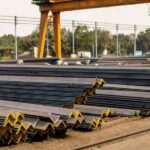


Construction projects often generate large volumes of waste, but not all of it needs to end up in landfill. In fact, many building sites produce valuable scrap metal that can be recycled or sold. From structural steel offcuts to copper wiring and aluminium components, construction activities frequently leave behind metals that still hold significant recycling value.
Instead of discarding these materials, builders and contractors can work with scrap metal collection services to recover and recycle them. This not only reduces environmental impact but can also create an additional revenue stream for construction businesses. Understanding how construction sites generate scrap metal and how it can be properly managed helps builders, developers, and project managers improve sustainability while maximising resource recovery.
Construction sites involve many materials and specialised trades, meaning scrap metal can be generated at various stages of a project. By identifying these sources early, construction teams can separate recyclable metals instead of sending them to landfill.
Structural steel is widely used in commercial and industrial construction. During fabrication and installation, steel beams, columns, and frames are cut to the required size, which naturally creates offcuts and leftover metal pieces. Although these offcuts may not be usable for the current project, they still have strong recycling value. Steel is also one of the most recyclable materials in the world, making it ideal for recovery and reuse.
Common steel scrap generated on construction sites includes:
When collected and recycled properly, these materials can be reused in manufacturing, reducing the need for new raw materials.
Electrical installations are another major source of valuable scrap metal on construction sites. Copper wiring and cables are commonly used for power systems, lighting, and communication infrastructure. During installation, electricians often produce leftover cable lengths, damaged wires, or unused materials. While these pieces may seem small individually, they can quickly accumulate across a project.
Common copper scrap materials include:
Copper is highly valuable in the scrap market, meaning even small quantities can generate worthwhile recycling returns when properly collected.
Plumbing installations also produce scrap metal, particularly when pipes are cut during installation or older systems are removed during renovations. Many plumbing components are made from recyclable metals such as copper, brass, or stainless steel. Separating these materials from general construction waste ensures they can be recycled efficiently.
Typical plumbing-related scrap materials include:
Proper sorting and collection help ensure these materials are recycled instead of being lost in mixed waste streams.
Demolition and renovation projects often generate even larger quantities of scrap metal compared to new construction sites. When older buildings are dismantled or upgraded, a wide range of metal components can be removed and recycled.
Many residential, commercial, and industrial buildings use metal roofing sheets, cladding panels, and structural supports. During renovation or demolition work, these materials are often removed in significant quantities.
Recyclable roofing and cladding materials include:
These durable materials can often be recycled and reused in new construction products.
Heating, ventilation, and air conditioning (HVAC) systems contain several metals that can be recovered and recycled. When buildings are upgraded or demolished, these systems are frequently replaced.
Common recyclable materials from HVAC systems include:
Recycling facilities can extract these materials and process them for reuse in future manufacturing.
Older buildings may contain structural elements made from steel and other metals. During demolition, these materials can be carefully removed and recycled rather than disposed of as waste.
Examples include:
Recovering these materials significantly reduces the amount of waste sent to landfill.
Recycling scrap metal provides both environmental and financial benefits for construction companies. By incorporating recycling into waste management strategies, businesses can improve sustainability and recover value from unused materials.
Key benefits include:
To maximise the value of scrap metal, construction teams should implement effective waste management practices from the start of a project. Keeping scrap metal separate from general construction waste is key to ensuring it can be recycled efficiently.
Practical strategies include:
Professional scrap metal collection services can remove metal waste directly from construction sites and transport it to recycling facilities.
Benefits of using collection services include:
These services help construction companies manage waste efficiently while recovering value from unused materials.
Construction sites generate significant amounts of valuable scrap metal during building, renovation, and demolition work. Materials such as steel, copper, aluminium, and brass can often be recycled instead of discarded. By implementing proper waste management practices and partnering with scrap metal recycling services, construction companies can reduce landfill waste, support sustainable building, and potentially generate additional revenue.
If your project is producing scrap metal, professional collection services can help remove and recycle it efficiently. Contact our team today to arrange a scrap metal pickup in Sydney and ensure your materials are handled safely and recycled responsibly.