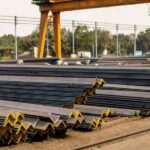
Different Types of Scrap Metal
Scrap metal recycling is a vital industry that supports sustainability, reduces waste, and conserves natural resources. Whether you’re a homeowner cleaning out your garage, a business managing industrial byproducts, or a scrap metal enthusiast, understanding the different types of scrap metal can help you make informed decisions about recycling and potentially earn some cash. In this detailed guide, we’ll explore the various categories of scrap metal, their characteristics, common uses, and why recycling them matters.
What is Scrap Metal?
Scrap metal refers to discarded metal or metallic materials that can be recycled or repurposed. These materials come from a variety of sources, including old appliances, vehicles, construction debris, and manufacturing processes. Scrap metal is broadly divided into two main categories: ferrous and non-ferrous metals. Additionally, there are specialized categories like precious metals and exotic alloys, which have unique properties and high value. Let’s dive into the different types of scrap metal and what makes each one unique.
1. Ferrous Metals
Ferrous metals are those that contain iron, making them magnetic and prone to rust. They are incredibly common in everyday items and industrial applications, making up the bulk of scrap metal collected worldwide. Ferrous metals are typically less valuable than non-ferrous metals due to their abundance, but their recycling is crucial for industries like construction and automotive manufacturing.
Common Types of Ferrous Scrap Metal
- Steel: Steel is an alloy of iron and carbon, often mixed with other elements to enhance its strength and durability. It’s one of the most recycled materials globally, found in everything from cars and appliances to buildings and bridges.
- Sources: Old cars, structural beams, household appliances (e.g., refrigerators, washing machines), and construction materials.
- Recycling Value: Steel is highly recyclable, and its magnetic properties
make it easy to separate from other materials at recycling facilities.
- Cast Iron: Known for its durability and heavy weight, cast iron is commonly used in pipes, engine blocks, and cookware.
- Sources: Old plumbing pipes, engine components, and industrial machinery.
- Recycling Value: Cast iron is less valuable than steel but still widely recycled due to its prevalence.
- Wrought Iron: This is a low-carbon form of iron, often used for decorative items like gates, fences, and railings.
- Sources: Antique furniture, garden decor, and architectural elements.
- Recycling Value: Wrought iron is recyclable, but its value depends on its condition and market demand.
Why Recycle Ferrous Metals?
Recycling ferrous metals reduces the need for mining raw iron ore, conserves energy, and decreases landfill waste. For example, recycling steel saves about 74% of the energy required to produce new steel from raw materials. Additionally, ferrous metals can be recycled indefinitely without losing their properties, making them a cornerstone of sustainable manufacturing.
2. Non-Ferrous Metals
Non-ferrous metals do not contain iron, which makes them non-magnetic and highly resistant to rust and corrosion. These metals are generally more valuable than ferrous metals due to their desirable properties and relative scarcity. Non-ferrous metals are widely used in industries like electronics, aerospace, and construction.
Common Types of Non-Ferrous Scrap Metal
- Aluminum: Lightweight, durable, and corrosion-resistant, aluminum is one of the most sought-after scrap metals.
- Sources: Aluminum cans, window frames, siding, car parts, and aircraft components.
- Recycling Value: Aluminum is highly valuable because it can be recycled repeatedly without losing quality. Recycling aluminum also saves 95% of the energy needed to produce new aluminum.
- Copper: Known for its excellent electrical conductivity, copper scrap is a premium scrap metal used in wiring, plumbing, and electronics.
- Sources: Electrical wires, plumbing pipes, roofing materials, and circuit boards.
- Recycling Value: Copper is one of the most valuable non-ferrous metals due to its widespread use and high demand. Clean, unalloyed copper fetches the highest prices.
- Brass: An alloy of copper and zinc, brass is commonly used in decorative items, plumbing fixtures, and musical instruments.
- Sources: Door handles, faucets, light fixtures, and keys.
- Recycling Value: Brass is valuable, though less so than pure copper, and its value depends on the copper content.
- Lead: A heavy, soft metal, lead is used in batteries, radiation shielding, and some industrial applications.
- Sources: Car batteries, pipes, and cable sheathing.
- Recycling Value: Lead is recyclable but requires careful handling due to its toxicity. Its value is moderate but consistent due to demand in battery production.
- Zinc: Often used as a protective coating (galvanizing) for steel, zinc is also found in alloys like brass.
- Sources: Galvanized steel, die-cast parts, and roofing materials.
- Recycling Value: Zinc has moderate value, but its recycling helps reduce mining and environmental impact.
- Tin: Commonly used as a coating for steel cans (hence “tin cans”), tin is lightweight and corrosion-resistant.
- Sources: Food cans, solder, and some alloys.
- Recycling Value: Tin is less valuable than other non-ferrous metals but is still recyclable and in demand.
- Nickel: A durable, corrosion-resistant metal often used in alloys like stainless steel.
- Sources: Stainless steel products, batteries, and industrial equipment.
- Recycling Value: Nickel’s value is high, especially in stainless steel recycling, due to its strength and resistance to corrosion.
Why Recycle Non-Ferrous Metals?
Non-ferrous metals are prized for their durability, conductivity, and resistance to corrosion, making them essential in modern technology and infrastructure. Recycling these metals reduces the environmental impact of mining, saves energy, and meets the growing demand for sustainable materials. For example, recycling copper saves up to 85% of the energy needed to produce new copper.
3. Precious Metals
Precious metals are rare, naturally occurring metals with high economic value. They are often found in small quantities in electronics, jewelry, and industrial applications. While they make up a small portion of scrap metal, their high value makes them a lucrative target for recyclers.
Common Types of Precious Scrap Metal
- Gold: Known for its beauty and conductivity, gold is used in electronics, jewelry, and dental applications.
- Sources: Circuit boards, connectors, jewelry, and dental fillings.
- Recycling Value: Gold is extremely valuable, even in small quantities, due to its rarity and demand.
- Silver: A highly conductive metal, silver is used in electronics, photography, and jewelry.
- Sources: Electrical contacts, X-ray films, silverware, and jewelry.
- Recycling Value: Silver is less valuable than gold but still commands a high price in the scrap market.
- Platinum: A dense, corrosion-resistant metal used in catalytic converters, jewelry, and industrial applications.
- Sources: Catalytic converters, laboratory equipment, and jewelry.
- Recycling Value: Platinum is highly valuable due to its rarity and industrial applications.
- Palladium: Similar to platinum, palladium is used in catalytic converters and electronics.
- Sources: Catalytic converters, circuit boards, and dental alloys.
- Recycling Value: Palladium’s value has risen in recent years due to increasing demand in the automotive industry.
Why Recycle Precious Metals?
Recycling precious metals reduces the need for environmentally damaging mining practices and helps recover valuable materials from end-of-life products. For example, recycling gold from electronics prevents the loss of a scarce resource and reduces e-waste. The high value of these metals also makes them an attractive option for scrap collectors.
4. Exotic and Specialty Alloys
Exotic alloys are specialized metals or metal combinations designed for high-performance applications, such as aerospace, medical devices, and high-tech industries. These materials are often difficult to recycle due to their complex composition but are highly valuable.
Common Types of Exotic Scrap Metal
- Titanium: Lightweight, strong, and corrosion-resistant, titanium is used in aerospace, medical implants, and high-performance vehicles.
- Sources: Aircraft parts, medical devices, and sports equipment.
- Recycling Value: Titanium is valuable but requires specialized recycling processes due to its strength and unique properties.
- Inconel: A nickel-chromium alloy known for its resistance to extreme temperatures and corrosion.
- Sources: Jet engines, gas turbines, and chemical processing equipment.
- Recycling Value: Inconel is highly valuable due to its specialized applications and difficulty to produce.
- Monel: A nickel-copper alloy resistant to corrosion, particularly in marine environments.
- Sources: Marine hardware, chemical processing equipment, and valves.
- Recycling Value: Monel’s value is high due to its durability and niche applications.
Why Recycle Exotic Alloys?
Exotic alloys are expensive to produce, and their recycling helps recover valuable materials while reducing the environmental impact of mining rare elements. These metals are often used in critical applications, so recycling ensures a steady supply for high-tech industries.
5. E-Waste and Mixed Metals
Electronic waste (e-waste) is a growing source of scrap metal, containing a mix of ferrous, non-ferrous, and precious metals. Items like computers, smartphones, and televisions contain small amounts of valuable metals, making e-waste recycling a specialized but rewarding field.
Common Sources of E-Waste Scrap
- Circuit Boards: Contain small amounts of gold, silver, copper, and other metals.
- Wires and Cables: Often made of copper or aluminum with plastic insulation.
- Batteries: Contain lead, lithium, nickel, and other metals.
- Hard Drives: Include aluminum, steel, and rare earth metals.
Why Recycle E-Waste?
E-waste recycling recovers valuable metals while preventing toxic materials like lead and mercury from entering landfills. It also reduces the demand for new raw materials, supporting a circular economy.
Tips for Sorting and Recycling Scrap Metal
- Identify the Metal Type: Use a magnet to distinguish ferrous (magnetic) from non-ferrous (non-magnetic) metals. For precious metals, consult a professional or use testing kits.
- Clean the Metal: Remove non-metal attachments like plastic, rubber, or paint to increase the value of your scrap.
- Separate by Type: Sorting metals by type (e.g., aluminum, copper, steel) ensures you get the best price at the scrap yard.
- Check Local Regulations: Some metals, like lead or batteries, require special handling due to their hazardous nature.
- Find a Reputable Scrap Yard: Work with a licensed scrap metal buyer that offers fair prices and follows environmental regulations.
The Environmental and Economic Benefits of Scrap Metal Recycling
Recycling scrap metal has significant environmental and economic benefits:
- Conserves Resources: Recycling reduces the need for mining, preserving natural resources like iron ore, copper, and bauxite.
- Saves Energy: Producing new metal from recycled materials uses significantly less energy than mining and refining raw materials.
- Reduces Landfill Waste: Recycling keeps metals out of landfills, reducing pollution and freeing up space.
- Creates Jobs: The scrap metal industry supports millions of jobs worldwide, from collection to processing.
- Generates Income: Selling scrap metal can provide extra income for individuals and businesses.
Conclusion
Understanding the different types of scrap metal—ferrous, non-ferrous, precious, and exotic alloys—empowers you to make the most of your recycling efforts. Whether you’re dealing with old appliances, construction debris, or electronic waste, each type of metal has unique properties and value in the recycling market. By sorting and recycling scrap metal responsibly, you contribute to a sustainable future while potentially earning some extra cash. So, next time you’re clearing out your garage or renovating your home, take a closer look at that pile of metal—it might just be a treasure trove waiting to be recycled!