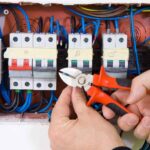


When most people think of copper scrap, they imagine thick electrical wires or old plumbing pipes. While those are certainly valuable, copper is hiding in many everyday items that often end up tossed into the trash. If you’ve ever cleaned out a garage, remodeled a home, or thrown away broken appliances, chances are you’ve unknowingly discarded money.
Copper is one of the most sought-after scrap metals due to its high conductivity, durability, and recyclability. Scrap metal yards pay good prices for it, and learning where copper hides can turn clutter into cash. In this blog, we’ll explore five copper scrap items you probably didn’t know you could sell, how to identify them, and tips to get the best value when scrapping.
Most people don’t think twice about throwing away damaged power cords, phone chargers, or extension cables. But inside those rubber or plastic coatings is copper wire, often high-quality and easy to recycle.
Why They’re Valuable
Power cords typically contain stranded copper wire scrap, which is flexible and highly conductive. While the copper is insulated, scrap yards still accept it as insulated copper wire, and the value adds up quickly if you collect enough.
Where to Find Them
Pro Tip: If you’re willing to put in a little extra effort, stripping the insulation off the wire can significantly increase its value. Bare bright copper (clean, uncoated copper wire) fetches the highest price at scrap yards.
That toaster that stopped working years ago? The broken coffee maker in the back of your cabinet? Many small household appliances contain copper components, especially in their motors and internal wiring.
Why They’re Valuable
Appliances often include copper windings, transformers, and internal wires. While a single appliance may not contain much copper, multiple units can add up to a worthwhile scrap haul.
Common Copper-Containing Appliances
Pro Tip: Scrap yards often accept appliances whole, but you’ll get a better payout if you dismantle them and separate the copper from steel or plastic parts. Motors, in particular, are copper-rich and can be sold separately.
Most people know copper pipes are valuable, but fewer realise that plumbing fixtures and valves can also contain solid copper or copper alloys like brass.
Why They’re Valuable
Faucets, shut-off valves, and connectors often contain thick copper or brass components. Brass itself is an alloy of copper and zinc, and scrap yards pay well for it.
Items to Look For
Pro Tip: Separate brass from pure copper when scrapping. Scrap yards pay different rates, and mixing metals can reduce your overall payout.
While gold usually steals the spotlight in electronics, copper is actually far more abundant in electronic devices. Many people throw away old computers without realizing how much copper they contain.
Why They’re Valuable
Copper is used extensively in wiring, circuit boards, heat sinks, and power supplies. Desktop computers, in particular, are copper-rich compared to laptops.
Electronics That Contain Copper
Pro Tip: You don’t need to extract every piece of copper yourself. Many scrap yards buy electronic scrap (e-waste) by the pound. However, removing copper-heavy parts like power supplies and internal wiring can boost your earnings.
Large appliances like air conditioners are often seen as bulky trash, but for scrappers, they’re copper goldmines.
Why They’re Valuable
Air conditioners and refrigeration units contain copper tubing, copper coils, and compressors with copper windings. These components can weigh several pounds each.
Where You’ll Find Copper
Pro Tip: Before scrapping, make sure refrigerants are properly handled. Some scrap yards require proof that refrigerants have been safely removed before accepting AC units.
Knowing what to sell is only half the equation. To get the most money for your copper scrap, follow these best practices:
Scrap yards pay different rates for different grades:
Removing insulation, plastic, and steel attachments can increase your payout. Even a small amount of contamination can lower the price per pound.
Copper prices fluctuate, and many yards pay better rates for larger quantities. Save your scrap until you have a decent amount to sell.
Prices vary by location and market conditions. Calling a few scrap yards before selling can make a noticeable difference in how much you earn.
Beyond the financial benefit, recycling copper has a positive environmental impact. Copper can be recycled repeatedly without losing quality, reducing the need for mining and conserving natural resources. By selling copper scrap, you’re not only making extra money, you’re also contributing to a more sustainable economy.
Copper is everywhere, hiding in plain sight inside items we use every day. From old power cords and broken appliances to outdated electronics and plumbing fixtures, valuable copper scrap often ends up in landfills simply because people don’t recognise it.
By learning to identify these five overlooked copper scrap items, you can turn household junk into a steady source of extra income. Whether you’re a casual recycler or someone looking to get serious about scrapping, keeping an eye out for copper is always worth the effort.
Next time you’re about to throw something away, take a closer look, you might be holding copper, and copper is money.