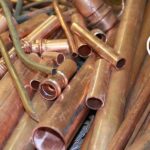


If you’re new to metal recycling, one of the best places to start is brass scrap. Brass is one of the most commonly recycled non-ferrous metals, valued for its durability, corrosion resistance, and golden appearance. Whether you’re a hobbyist, a small business, or simply a curious beginner, understanding brass scrap can help you make smarter recycling choices and even earn a little money along the way.
Brass is an alloy made primarily of copper and zinc, with the ratio of each determining the type of brass produced. Brass scrap refers to discarded or leftover pieces of brass that can be melted down and reused.
Common sources include:
Because brass is easy to melt and reform, it’s highly recyclable and retains much of its value after reuse.
Not all brass scrap is the same. Understanding the differences can help you sort materials and get better brass scrap prices.
Brass is one of the most sought-after non-ferrous metals due to:
✔ 1. Highly Recyclable: Brass can be melted and reused over and over again without losing its strength or quality, making it one of the most sustainable metals on the market.
✔ 2. Strong Industrial Demand: Construction, plumbing, electrical, automotive, and marine industries consistently rely on brass components, keeping demand (and prices) steady.
✔ 3. Energy Savings: Recycling brass uses far less energy than producing new brass from raw materials, reducing overall production costs.
✔ 4. Environmental Benefits: Recycling brass cuts down on mining waste, lowers greenhouse gas emissions, and conserves natural resources like copper and zinc.
✔ 5. Retains High Market Value: Because brass contains copper, a valuable metal, brass scrap typically commands strong prices compared to many other recyclable materials.
If you’re just starting out, it’s easy to mistake brass for other metals. Here are a few tips:
Sorting your brass scrap can significantly increase your payout.
Separate by Type: Keep yellow, red, and shell casings in different containers.
Remove Non-Brass Attachments: Unscrew steel bolts, remove rubber or plastic parts, and detach magnets.
Clean When Possible: Shiny, clean brass can bring in a higher price than dirty or mixed scrap.
Most scrap yards buy brass, but prices vary depending on:
If you’re looking for a reliable and customer-friendly option, Pro Scrap Metals is one of the best places to sell brass scrap. They offer:
Whether you’re selling a small batch or large quantities, Pro Scrap Metals makes the process simple and profitable.
❌ 1. Mixing brass with other metals: When different metals are thrown together, your brass may be downgraded to “mixed metal,” which pays significantly less.
❌ 2. Not understanding alloy differences: Red brass typically has a higher copper content and is worth more than yellow brass, mixing them can cost you extra earnings.
❌ 3. Forgetting to remove steel or iron attachments: Simple items like screws, springs, or brackets can contaminate your load. Use a magnet to quickly spot and remove them.
❌ 4. Ignoring dirt, paint, or debris: Dirty or greasy brass may be classified as “dirty brass,” which lowers the price. A quick clean can boost your payout.
❌ 5. Not checking for brass-plated items: Some brass items only look like brass but are actually steel or zinc underneath. Use a file or scratch test to avoid mistakenly including non-brass items.
Brass scrap is a great starting point for anyone exploring metal recycling. It’s valuable, widely available, and beginner-friendly. With a little knowledge and sorting effort, you can turn old household items or industrial leftovers into something profitable and environmentally impactful.