
Old air conditioners are often removed during home renovations, office upgrades, or when cooling systems stop working efficiently. Once the unit is no longer needed, many people wonder whether it is worth scrapping it or simply disposing of it through general waste collection.
Air conditioning units contain several types of recyclable metals, including copper, aluminium, and steel. These materials can be recovered and reused through scrap metal recycling. However, the amount of metal inside a single unit is usually limited, which means the scrap value can vary significantly depending on the number of units available. In most cases, scrapping individual air conditioners does not generate much return, but when multiple units are collected together, the combined metal content can make recycling worthwhile.
Air conditioners contain a mix of metals and components that can be recycled and processed at scrap metal facilities. The internal parts are designed to transfer heat efficiently, which is why many units include valuable metals commonly used in electrical and cooling systems.
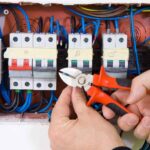
Copper is one of the most valuable materials found inside air conditioning units. It is mainly used in the condenser coils, tubing, and internal wiring because of its excellent ability to conduct heat and electricity. These copper components allow the system to efficiently transfer heat during the cooling process.
Common copper parts found in air conditioners include:
Although the copper content inside a single unit is relatively small, it is still considered the most valuable metal component when air conditioners are recycled. When several units are scrapped together, the total copper recovered can become more significant.
Aluminium is another material commonly used in air conditioning systems. It is lightweight, corrosion-resistant, and capable of transferring heat effectively, which makes it suitable for cooling fins and heat exchanger components. Aluminium parts are typically attached to copper coils to improve airflow and cooling efficiency.
Typical aluminium components include:
While aluminium is less valuable than copper in the scrap market, it is still widely recycled. When multiple air conditioners are processed together, aluminium contributes to the overall recyclable metal volume.
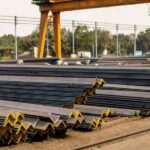
Steel is usually used to form the outer casing and internal support structure of an air conditioning unit. These components provide durability and protection for the internal mechanical parts. Steel is also one of the most recyclable metals, making it suitable for recovery through scrap recycling processes.
Examples of steel components include:
Although steel typically has a lower scrap value compared to copper or aluminium, it still contributes to the total weight of recyclable metal in bulk scrap collections.
The value of scrapping an air conditioner largely depends on how many units you have available and the type of system being removed.
If you only have one old air conditioner, the scrap value is usually quite low. The metal components inside a single unit are relatively small, and the effort required to transport and process the unit may outweigh the value of the recovered materials. For this reason, many scrap metal collectors may not offer payment for individual household air conditioners. In some cases, people choose to dispose of a single unit through local recycling programs or appliance disposal services instead. Because of these factors, scrapping a single air conditioner is generally not considered financially worthwhile unless it is combined with other scrap metal materials.
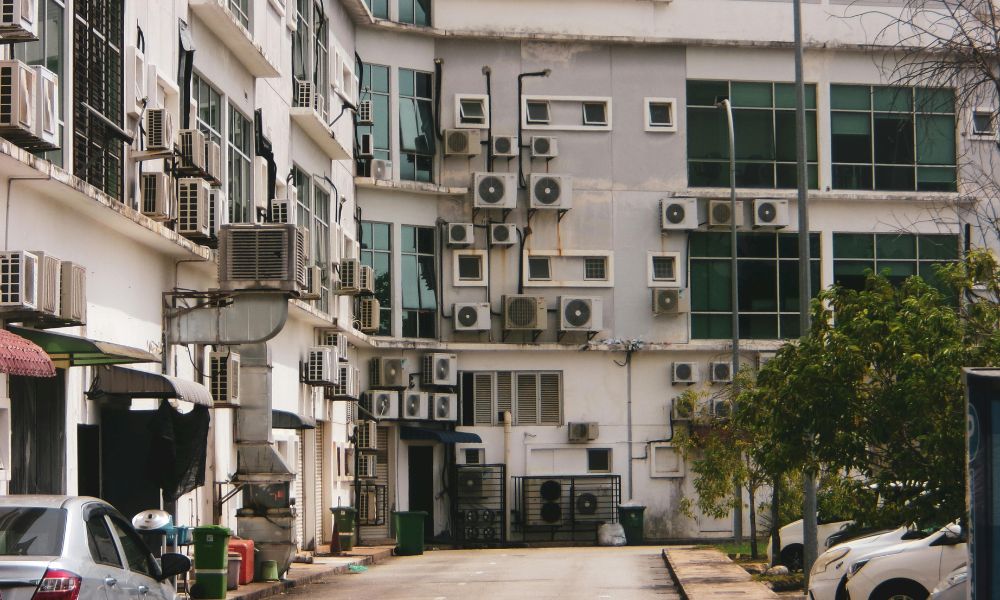
Scrapping air conditioners becomes much more worthwhile when multiple units are available at the same time. Bulk quantities increase the amount of copper, aluminium, and steel that can be recovered, making the collection and recycling process more efficient.
Situations where bulk air conditioners are commonly scrapped include:
When dozens of units are removed during large projects, the combined metal value becomes more significant. Scrap metal collectors are far more likely to accept or purchase these materials when they are available in larger quantities.
Large commercial HVAC systems often contain more copper tubing, larger coils, and heavier structural materials compared to standard residential air conditioners. As a result, these systems can produce a higher amount of recyclable metal when removed. Businesses replacing large cooling systems sometimes work with professional scrap collectors to remove old equipment directly from the site. This allows the materials to be transported to recycling facilities efficiently while reducing construction waste during renovations.
Recycling old air conditioners offers several environmental advantages beyond recovering valuable metals. Many of the materials used in cooling systems can be reused in manufacturing, reducing the need for new raw materials.
Old air conditioners do contain recyclable metals such as copper, aluminium, and steel. However, the value recovered from a single unit is usually minimal due to the small quantity of these materials. Scrapping air conditioners becomes far more worthwhile when multiple units are available in bulk, such as during commercial renovations or large property upgrades. If you are replacing several air conditioning systems, working with a professional scrap metal collection service can make the process easier and ensure the materials are recycled responsibly.
If you have multiple old air conditioners to remove, contact our team in Sydney today to arrange a scrap metal collection service and ensure the equipment is recycled safely and efficiently.